
Zygo Team Cast.
Unfiltered conversations on advanced implant dentistry with those who built the specialty in Brazil. Cases, behind the scenes and opinion.
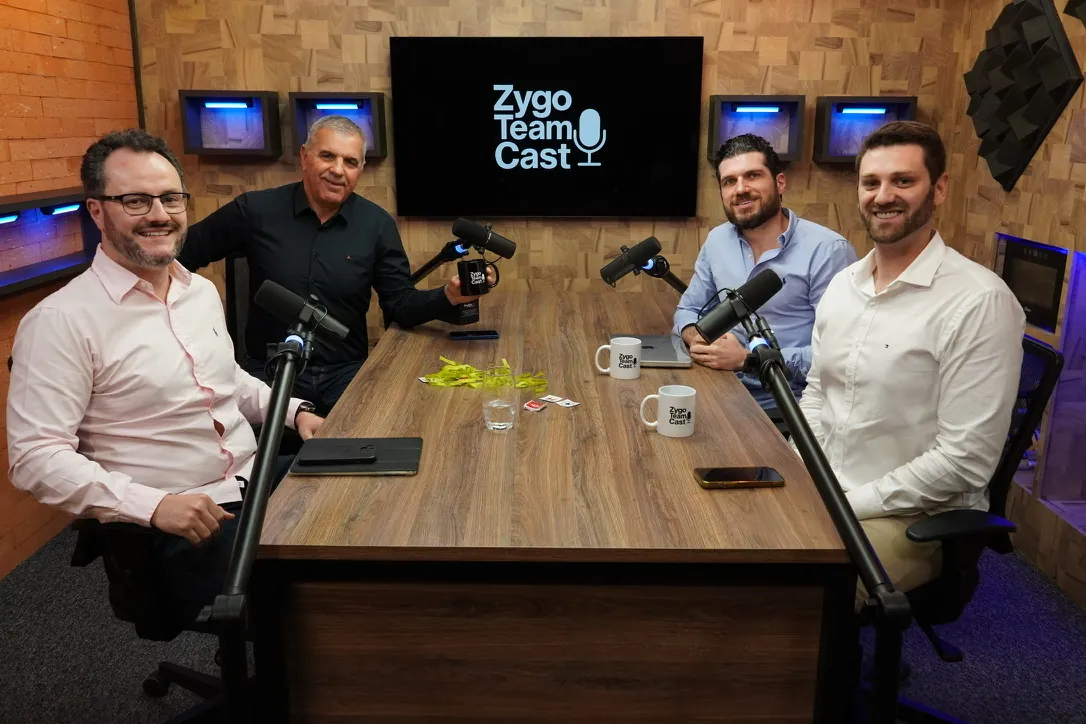
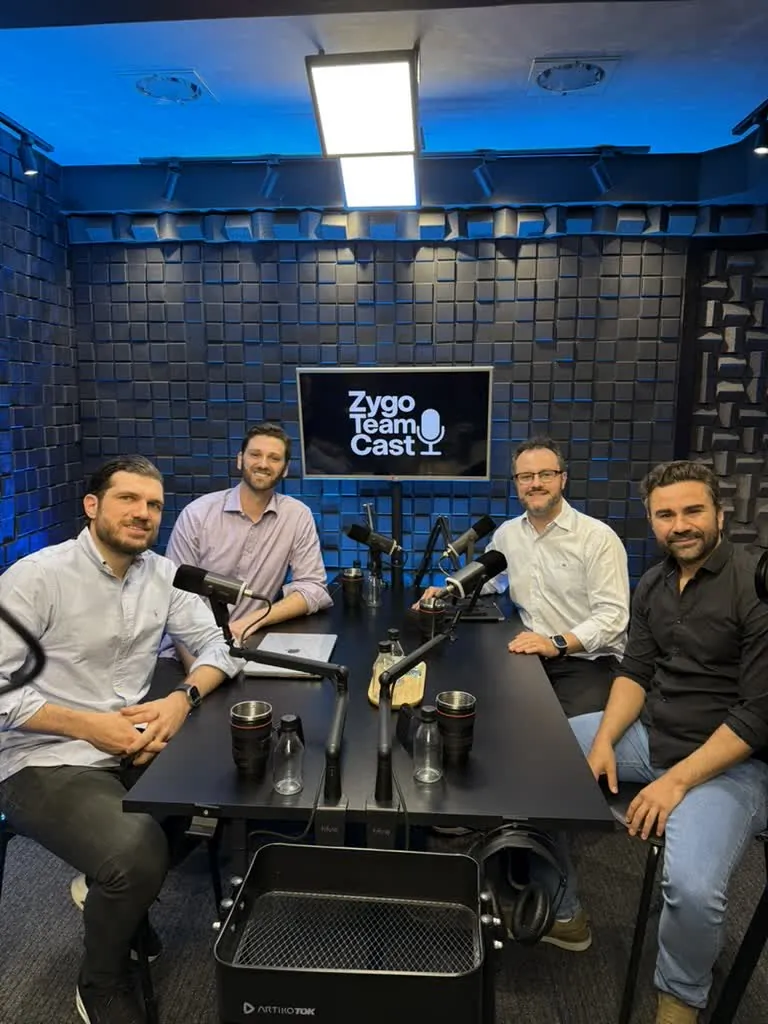
Hosted by Rafael Zago, Guilherme Speck and Guilherme Corbeta, of Zygo Team.
All episodes of Zygo Team Cast
#1 - From Research to Clinical Practice – Zygo Team with Dr. Rubens Moreno
In the debut episode of the Zygo Team Cast, hosts Dr. Guilherme, Dr. Corbeta and Dr. Rafael Zago welcome Dr. Rubens Moreno for a relaxed yet technical conversation about how to combine academic science, strategic management and the reality of the dental practice .
Throughout the chat, the guest shares his path from his undergraduate studies at UNESP and his discovery of periodontics and implant dentistry to his sandwich PhD in the United States , where he led pioneering research with bone morphogenetic protein (BMP-2) in humans . Dr. Rubens also describes his move to Curitiba and his work at ILAPEO , and how pursuing an MBA in strategic management reshaped his view of innovation, course internationalization and the development of dental products with industry .
Beyond his career, the conversation dives into clinical and market debates that are essential to modern implant dentistry:
- Cultural Differences and Immediate Loading: The differences in philosophy between the Brazilian market — a pioneer and bold in immediate loading — and the American and European markets, which have historically been more conservative .
- Technological Innovations: The advance of digital workflows, photogrammetry, guided surgery (including irrigation challenges) and the behind-the-scenes development of zirconia implants , analyzing their aesthetic indications, mechanical limitations and the demand from integrative dentistry .
- Tissue Management and Zygomatic Implants: The importance of biology and autogenous connective tissue grafts for peri-implant stability , along with the evolution of smooth-body zygomatic implants and angled components .
- Teamwork: The value of collaboration between surgeons and prosthodontists to solve complex cases, share risks and speed up the learning curve .
#2 - Innovations and the History of Implant Dentistry – Zygo Team with Dr. Geninho Thomé and Dr. Sérgio Bernardes
In the second episode of the Zygo Team Cast, the Zygo Team welcomes Dr. Sérgio Bernardes and Dr. Geninho Thomé for a conversation about the evolution of implant dentistry, the behind-the-scenes of research applied to clinical practice and the trends shaping the specialty .
The conversation begins by recalling Dr. Sérgio Bernardes's path — from his training in Rio de Janeiro and his prosthodontics specialization in Bauru, through his master's degree in Uberlândia, to his arrival in Curitiba and at ILAPEO in the mid-2000s . He explains how a research project on abutment-implant connections brought him together with Dr. Geninho, quickly changing his direction and starting a two-decade partnership between research, teaching and industry .
Throughout the episode, the guests and hosts cover central themes of clinical practice and product development:
- Training and Clinical Experience: Dr. Sérgio argues that new graduates should gain clinical experience before pursuing advanced postgraduate degrees, since daily practice raises the questions and doubts that give meaning to specialization, master's and doctoral studies .
- Biomechanics and New Implant Designs: Dr. Geninho details the creative process behind implant macrogeometry, explaining the highlight of Zigoma S for immediate loading, the combination of zygomatic implants with short implants, and studies on remote anchorage, such as pterygoid implants .
- Diameters and Clinical Choice: The participants discuss the frequent use of 3.5 mm implants in Brazil, warning about sound judgment in long-term planning, load distribution and the selection of lengths and diameters for each case .
- Brazilian Implant Dentistry on the World Stage: The guests compare the clinical reality of Brazil — marked by a strong culture of immediate loading, aesthetic demands and hands-on training with patients — with the more conservative or fragmented approach seen in other international markets .
- Humility, Collaboration and Excellence: In closing, Dr. Geninho stresses the importance of humility to keep learning, the pursuit of excellence in daily work, and seeing dentistry also as a way to serve and improve people's quality of life .
#3 - Reconstructions, Anchorages and Immediate Loading in the Maxilla – Zygo Team with José Nilo Freire
In the third episode of the Zygo Team Cast, the Zygo Team welcomes Dr. José Nilo Freire, former instructor in the implant dentistry specialization taught by the hosts in Florianópolis, for a conversation about the evolution of surgery in atrophic maxillae, immediate loading, planning and dental education .
Dr. Nilo recalls his path from his training in Bauru and his residency at Centrinho (HRAC-USP), to his move to Florianópolis in the early 2000s and his coordination of postgraduate courses at ABCD starting in 2005 and 2007 . He highlights how the implant dentistry landscape has changed over recent decades and discusses the idea of a team specialized in complex procedures such as zygomatic implants .
The main points covered in the episode include:
- From Extensive Reconstructions to Anchorages and Immediate Loading: Dr. Nilo explains how practice has evolved from large bone reconstructions — often as block grafts, with long periods without a prosthesis — to approaches using tissue bioengineering (such as blood concentrates), short implants and anchorage techniques (zygomatic, pterygoid, transnasal and paranasal), highlighting the impact of the externalized technique on prosthetic rehabilitation and on making immediate loading possible .
- Planning, Digital Workflow and the Limits of Guided Surgery: The conversation addresses the importance of reverse planning and of DICOM files and 3D software to study scenarios and anchorages before surgery, while pointing out practical difficulties and the caution needed with guided surgery specifically in zygomatic implant cases .
- Complications and Clinical Experience: The guest discusses the causes and the decline of complications over time — such as thread exposure or sinus issues — crediting the improvement to careful diagnosis, better materials and more consistent training .
- Professional Training and Small-Group Teaching: Dr. Nilo criticizes mass-teaching models and short courses without enough hands-on practice, advocates integrating prosthodontics, surgery and periodontics, and presents his school (NF Pós-Graduação), which runs small classes (four to eight students) in implant dentistry and aesthetic dentistry .
#4 Transnasal Implants: the VANDERLIM TECHNIQUE explained by its creator.
In the fourth episode of the Zygo Team Cast, the Zygo Team welcomes Dr. Vanderlim Branco Camargo, a dental surgeon with more than three decades of practice and creator of the transnasal implant technique, to detail the origin, evolution and indications of the method in treating atrophic maxillae .
Dr. Vanderlim recalls his path from undergraduate school and his start in implant dentistry in the 1990s — through extensive bone grafts (such as iliac crest and intraoral donor sites) and the arrival of zygomatic implants — to the limitations he encountered in daily clinical practice, especially in cases with small, pneumatized zygomatic bones or bones hard to anchor for double zygoma or quad zygoma .
Throughout the conversation, the guest and hosts go deeper into technical, biomechanical and surgical-routine aspects:
- What a Transnasal Implant Is and When to Indicate It: It is a long implant that uses the basal bone of the maxilla (aiming for a minimum of roughly 3 to 4 mm) and anchors on the lateral wall of the maxilla and the nasal turbinate . Dr. Vanderlim explains that the technique was designed for advanced atrophy — not for extreme loss without basal bone, where quad zygoma or grafts remain the choice — and stresses the importance of having bone and keratinized gingiva covering the implant to avoid exposures and long-term failures .
- Clinical Validation, Anatomy and Risks: The guest describes the process of studying on biomodels and software, the multidisciplinary discussions (with otolaryngologists, ophthalmologists, head and neck surgeons and oral and maxillofacial surgeons), the anatomical variations of the nasal turbinate and attention to structures such as the nasolacrimal duct, as well as long-term follow-up (up to 9 years) and scientific publications .
- Biomechanics, Compound Torque and Planning: The conversation covers surgical and prosthetic requirements — such as prosthetic space (PF1, PF2 or PF3), anteroposterior distribution, cantilever, opposing dentition and the concept of compound torque for immediate loading — along with comparisons of planning software, the guest's preference for freehand work in his practice, and performing zygomatic/transnasal surgeries in a hospital setting .
- Career, Courses and Final Message: Dr. Vanderlim discusses choosing between smaller cities with good per capita income or larger markets early in a career, details the format of his international courses, and closes by reinforcing a central principle: implants need bone and keratinized gingiva to thrive in the long term .
#5 Zygomatic Implants: Dr. Marcelo Zamperlini on International Experience
In the fifth episode of the Zygo Team Cast, the Zygo Team welcomes Dr. Marcelo Zamperlini, who was passing through Florianópolis, to talk about his career in implant dentistry, his work in international courses and the practical and biomechanical decisions involving zygomatic implants .
Dr. Marcelo recalls the start of his career in the early 2000s — from his training in Campinas and his hospital internship and time at Centrinho in Bauru, to his partnership with Dr. Reginaldo and his early contact with implant dentistry and immediate loading in maxillae . He also describes his long connection with Florianópolis (where he taught modular courses for about a decade), the challenges and lessons of business partnerships, and international experiences in countries such as Portugal and Russia, before settling on his current focus: training aimed at foreign participants .
Throughout the conversation, the participants discuss essential topics of surgical and clinical routine:
- Titles, Training and Clinical Experience: Dr. Marcelo reflects on the relationship between academic titles (master's and doctorate) and clinical practice, arguing that new graduates should gain office experience and basic surgical mastery before pursuing advanced techniques such as zygomatic implants .
- Indications, Planning and Anchorages: The conversation covers when to choose conventional, hybrid or zygomatic implants, the importance of assessing the thickness and anatomy of the zygomatic bone (such as on the sagittal cut and in software like Codiagnostics and Blue Sky), the use of the transnasal technique within its anatomical prevalence, and the role of pterygoid implants as a complementary resource for stability and loading .
- Technical Evolution, Guides and Sedation: Dr. Marcelo discusses the shift to smooth-body zygomatic implants and more versatile connections, the use of grooved drills and subsinus approaches, his views on surgical guides (including the skin guide), and the practical and postoperative advantages of outpatient sedation with an anesthesiologist compared with the hospital setting in many cases .
- Relationships and the Market: In closing, the guest stresses that building partnerships and relationships with other professionals is decisive for growth and for referrals in implant dentistry .
#6 Dr. GIULIANO LUCHI explains everything you need to know about REMOTE ANCHORAGES
In the sixth episode of the Zygo Team Cast, the guest is Prof. Dr. Giuliano Luchi, who shares his career in surgery and implant dentistry and goes deeper into the practical and biomechanical concepts of remote anchorages .
Dr. Giuliano recalls how his interest in surgery began during his undergraduate years in Bauru and his residency at Centrinho at USP, where he first encountered large rehabilitations and zygomatic implants in cases of deformities, trauma and maxillectomies . He also traces the evolution of the surgical landscape — from the era of bulkier implants with rough surfaces to the arrival of smooth-surface zygomatic implants (from 2020–2023), which reduced complications and increased predictability in atrophic maxillae .
The main points covered in the episode include:
- Remote Anchorage vs. Maxillary Sinus Grafting: Dr. Giuliano compares the treatment time, cost and morbidity of extensive sinus grafts with the use of remote anchorages (zygomatic, transsinus and pterygoid), highlighting the biomechanical distribution (such as AP spread, reduced cantilever, and combining short implants in the premaxilla or pterygoid reinforcement to avoid a larger quad-zygoma) .
- Outpatient Setting, Sedation and Digital Planning: He reports performing about 95% of his zygomatic surgeries in the office, arguing that surgery does not automatically require intravenous sedation or an operating room when well planned, and explains why he prefers DICOM digital planning (with 3D visualization and defined contingencies) over traditional surgical guides for zygomatic cases .
- Soft Tissue, Longevity and Immediate Loading: The guest stresses the importance of keratinized mucosa on the buccal side, bone contact and support, and the smooth surface in reducing inflammation and mucositis, and argues for immediate loading in cases with good primary stability and for integrating surgery, prosthetics and digital workflow .
- Memorable Cases, Training and Hobby: Dr. Giuliano describes two impactful cases — a patient injured in a car accident on BR-101 with a maxillary avulsion treated in Joinville, and a patient after tumor resection in Porto Alegre — talks about his specialization at HPG and the Edentos Academy, and closes by sharing his hobby of making long-fermented Neapolitan pizzas .
#7 Occlusion: the GREATEST CHALLENGE in dentistry | Conversation with DR. ROBERTO GARANHANI
In the seventh episode of the Zygo Team Cast, the guest is Prof. Dr. Roberto Garanhani (a specialist in TMD and prosthodontics, master's in implant dentistry and a professor at Zenit), who addresses occlusion from a biological, sensory and clinical perspective applied to rehabilitations on implants .
Dr. Garanhani explains how occlusion has evolved from a predominantly mechanical/mathematical view (focused on fully adjustable articulators and rigid occlusal schemes) to the recognition of the sensory and neuroplastic role of the masticatory system — stressing that osseoperception never equals the proprioception of a natural tooth, which is why the provisional prosthesis is essential for neuromuscular adaptation before the definitive restoration , .
Throughout the conversation, central points for clinical practice and implant dentistry are highlighted:
Overuse of Occlusion and Awake Bruxism: He points to occlusal overuse — especially awake bruxism (teeth touching, clenching, micromovements and bracing), linked to anxiety, stress, screens, sports and medications — as one of the biggest current challenges for the longevity of implants and prostheses, advocating a stepwise approach (awareness, reminders or momentary ecological intervention, and identifying triggers) and reserving occlusal splints (such as the Michigan splint) mainly to control the consequences of sleep bruxism or specific situations , , .
Choice of Materials and Caution with Technology: Dr. Garanhani discusses the choice between zirconia, metal-ceramic/metal-acrylic and resins (printed or for temporization), warning that patients with occlusal overuse or bruxism risk call for caution with rigid materials that do not absorb shock, and criticizing the uncritical use of expensive technologies or poorly controlled printing protocols without biological basis or scientific evidence , , .
Scientific Communication, Training and Social Projects: He discusses his work on social media to fight misinformation and speak the language of new generations, points to the growing problem of loss of occlusal and proximal contact in partial prostheses on implants over time, and presents the social projects Placa Social and Desencosta Brasil , , .
#8 Dr. Andreza Dal’Lago explains how mastering the technique changes the outcome of surgery
In the eighth episode of the Zygo Team Cast, the guest is Dr. Andreza Dal'Lago, who talks about her path in prosthodontics, periodontics and implant dentistry, her experience with full-arch cases and zygomatic implants, and the importance of technical mastery and a solid clinical foundation for surgical outcomes .
A graduate of the Federal University of Rio Grande do Sul (UFRGS), Dr. Andreza says she worked in prosthodontics before pursuing a periodontics specialization in São Paulo and a master's in implant dentistry at São Leopoldo Mandic, gaining varied clinical experience while working in several Brazilian states and abroad , . She also discusses the challenge of working in a surgical field dominated by men, recalls a challenging mandible case, and explains her mindset focused on solving the case and on immediate loading when technique and planning allow it , , .
The main points covered in the episode include:
- All-on-Four as a Foundation, Alternative Plans and Intraoperative Complications: Dr. Andreza stresses that mastering All-on-Four is essential before moving on to zygomatic implants, and that she keeps a range of alternatives (such as pterygoid, transnasal and the PATZi approach) to handle anatomical variations and unexpected events during surgery with agility , , .
- Soft Tissue, Connections and Sedation in the Office: She highlights the importance of keratinized tissue and of choosing between classifications and approaches (such as ZAGA 0/1 or ZAGA 4, use of the Bichat fat pad, and prosthetic connections such as Morse taper instead of external-hex transfer copings), and says she prefers operating in the office with an anesthesiologist to provide comfort and safety for the patient and the team , , .
- Digital Planning, Documentation and Projects: Dr. Andreza describes doing prior digital planning (citing Blue Sky Plan), explains her reservations about complex or fully guided surgical guides compared with freehand work and the skin guide (by Fernando Giovanella), values systematic recording with photos, radiographs and postoperative tomography for learning and legal protection, and presents her project for a school and hands-on courses in Balneário Camboriú (Ford Dental), along with mentorships and courses with a high patient volume , , , .
#9 Intravenous sedation in dentistry with Dr. Carlos Ribeiro: what nobody tells you
In the ninth episode of the Zygo Team Cast, recorded in Londrina during a course taught by the guest, the Zygo Team interviews Dr. Carlos Ribeiro about his career in dentistry and implant dentistry, up to his transition into and hands-on specialization in sedation — with emphasis on intravenous sedation and the use of an infusion pump , .
Dr. Carlos says he entered the undergraduate program in Londrina in 2002 (graduating in 2006) and specialized in implant dentistry. Because of recurring scheduling and logistics difficulties with outside anesthesiologists — and because he noticed the negative impact of anxiety and stress on the patient and on surgery — he began seeking his own training in sedation, initially adapting oral and intramuscular concepts (drawing on references such as Dr. Adriana Corrêa in Araçatuba) for adult surgical and rehabilitation patients , , .
The main points covered in the episode include:
- Prevention, Monitoring and Safety: Dr. Carlos argues that sedation is not a "taboo" but a preventive tool (helping control anxiety, pain and hemodynamic changes), and stresses that any route — including oral — requires a careful medical history, prior exams when necessary, knowledge of limitations and contraindications (such as ASA 3 patients who are decompensated or patients with COPD without adequate assessment), multiparameter monitoring, an oxygen cylinder, a reversal agent (such as flumazenil) and mastery of basic life support (BLS) , , , , , .
- Routes of Administration, Legal Standing and Outlook: He compares the inhalation (nitrous oxide), oral, intramuscular and intravenous routes, discusses how regulation and legal support for dentistry have evolved — citing Federal Law 5.081 (art. 6), Anvisa's RDC 1002 (December 2025) and the commission created by the CFO (February 2026) — and mentions organizations such as Sobraso (academic focus) and Abrazod (professional and legal defense) , , .
- Complex Surgery and Educational Focus: Alongside the Zygo Team, he discusses how sedation brings comfort, safety and efficiency to long surgical procedures or hands-on courses (such as zygomatic implant courses), and anticipates plans to focus increasingly on education, including courses in Londrina, online mentorships and the Sedar na Boa channel , , , .
Immediate Implant Dentistry Without Grafting: with Dr. Danilo Persuhn
In this episode of the Zygo Team Cast, the team talks with Dr. Danilo Persuhn, who graduated in dentistry in Londrina, about his path from prosthodontics and implant dentistry to full-arch rehabilitations without grafting and zygomatic implants, as well as the format of his courses and his clinical and laboratory routine , .
Dr. Danilo says he began his postgraduate training in prosthodontics (in 2014, with a focus also on complete dentures), gained a large surgical volume in implant dentistry — including the Brasil Sorridente / SUS program in Apucarana — and from 2019 deepened his knowledge of All-on-Four and immediate loading, becoming credentialed in zygomatic implants in 2021 (in São Paulo, with Carlos Fran, following the externalized-technique line of Reginaldo's school), later founding the All-on-Four Institute in Londrina, and pursuing a master's at São Leopoldo Mandic with an educational focus , , , , .
The main points covered in the episode include:
- Learning Curve, All-on-Four Foundation and Planning: Dr. Danilo stresses that steps in the surgical curve should not be skipped, that mastering All-on-Four often resolves most cases without the need for zygomatic implants, and that even in zygoma cases one must plan predictably and leave future options for the patient (including thinking about spaces and anchorages in hybrid cases, and research on component angulation of 52° and 60°, taking these studies into a doctorate) , , , . He uses Blue Sky Plan for 3D visualization and works with biomodels in his courses before real surgery , .
- Anchorages, Complications and Torque Control: He shares his preferences and reservations about pterygoid implants (mainly because of their prosthetic impact and the posterior discomfort observed in patients) and transnasal implants (with low anatomical prevalence, but useful in specific situations, such as avoiding double zygoma in young patients or in those with Kelly syndrome) , . He identifies tissue dehiscence and exposure as one of the main late complications (addressing rotation of the Bichat fat pad in cases such as ZAGA 4), stresses precautions to avoid crestal communication and sinusitis, and warns against excessive under-preparation that generates very high torques or fractures/cracks — advocating proper milling and safe torques , , .
- Prosthetic Workflow, Sedation and Hands-On Training: With an in-house laboratory in Londrina, he prioritizes characterized acrylic prostheses and fast delivery in an immediate-loading workflow (with a predominance of FP3 cases over FP1) , , . On sedation, he reports working mainly in an outpatient setting, using oral and intramuscular sedation, and a long-standing partnership with Dr. Carlos Ribeiro (including intravenous sedation in courses) , . Finally, he details the format of his residencies and courses in Londrina (small groups of 4 to 6 students, hands-on surgical and prosthetic experience) and the way he films surgeries in shots with a camera operated by his team , .
High-Level Implant Dentistry: Technique, Consistency and Training with Dr. Fernando Giovanella
Recorded in Blumenau, this episode of the Zygo Team Cast welcomes Dr. Fernando Giovanella for an in-depth conversation about his path in oral and maxillofacial surgery and implant dentistry, the role of All-on-Four and remote anchorages, the philosophy behind the Skin Guide and reverse planning, as well as complications, scientific evidence and professional training , , .
Dr. Giovanella recalls the start of his career (training in Itajaí, early practice in Salete, an oral and maxillofacial surgery residency at UFPel from 2007, and a master's at USP in Bauru under Prof. Carlos Eduardo Francisconi, a period when he first encountered the All-on-Four technique and attended Paulo Maló's doctoral defense) , , , . He highlights the paradigm shift away from extensive grafts and overindications, arguing that implant dentistry tends to swing like a "pendulum" and that decision-making should prioritize patient benefit and transparency , , , .
The main points covered in the episode include:
- Learning Curve, All-on-Four and Remote Anchorages: He stresses that All-on-Four should be the foundation of full-arch practice and that the zygomatic implant demands maturity and mastery of immediate loading, warning that digital "shortcuts" do not replace surgical experience , , . He also critically assesses the use of transnasal and pterygoid implants (pointing to low anatomical prevalence in some scenarios, the bias of trends and social media, the importance of thinking about the prosthesis and hygiene, and the value of tilting implants and having options in the "toolbox" when indicated) , .
- Reverse Planning, Skin Guide and Innovation: Dr. Giovanella explains how the Skin Guide came about (from reflecting on the importance of the starting point of the drilling and on a virtually operated prototype), describing how he seeks to transfer the planning reference to open, freehand surgery with good visibility, irrigation and lower morbidity, and discusses prosthetic reverse planning (including buccal approaches in selected cases and assessment of paranasal volume/flange) as well as his R&D experiences , , , .
- Complications, Sedation and Teaching: On complications, he points to late tissue dehiscence (especially with implants that have larger threads or diameters, assessing biotype, position and rotation of the Bichat fat pad or connective tissue) and discusses sinusitis (distinguishing prior causes or incidental findings from buccal-sinus communications or past design/connection problems, and citing exams such as culture and antibiogram in refractory cases) , , . On sedation, he reports that today he operates mostly with intravenous sedation administered by an anesthesiologist in the office, reserving the hospital setting for systemically more complex patients (such as decompensated ASA 3), and concludes that teaching requires real clinical experience and that Brazilian dentistry stands out internationally in hands-on full-arch courses , , .
Behind the Scenes of the CRO as You Have Never Seen It | Dr. Wilson Andriani Júnior (President of CRO-SC)
In this episode of the Zygo Team Cast, the team talks with Dr. Wilson Andriani Júnior, current president of the Regional Dental Council of Santa Catarina (CRO-SC), former instructor of the guests at ABCD in Florianópolis and at the Federal University, about his clinical, academic and institutional career, the behind-the-scenes of the council and the challenges facing dentistry , , .
Dr. Wilson says he graduated in 1972, served four years in the Navy, worked as a general practitioner and built a long career in prosthodontics and teaching — including specializations (such as prosthodontics at APCD in São Paulo and operative dentistry), a master's and doctorate at UFSC, postdoctoral work linked to Boston and Chicago (where he was exposed to implant systems of the time, such as Bicon), intensive implant dentistry specialization courses alongside Prof. Nilo, and his involvement in the council from the 1970s/1980s until becoming president of CRO-SC , , , .
The main points covered in the episode include:
- Routine and Duties as CRO-SC President: He divides the management's demands between internal matters (such as the staff team, for roughly 27 thousand registered professionals and about 23–24 thousand active in SC) and external actions, such as institutional meetings, liaison with the CFO and the Ministry of Education (MEC), the fight for a minimum salary and against distance learning (EAD) and the indiscriminate opening of dental schools, as well as initiatives such as the CRO Perto de Você project (in partnership with Unicred) and visits to municipalities, primary care clinics and emergency units , , , .
- Oversight, Ethics and New Specialties: Dr. Wilson explains how oversight works today (focusing on guidance, investigating complaints, and monitoring advertising and social media, and having ended anonymous complaints), points out that the highest number of ethics cases involves recent graduates (up to about 5 years after graduating), and discusses sensitive debates such as the dispute between MEC and the council over course registrations and workloads, and the legal and institutional issues around botulinum toxin (HOF) and orofacial aesthetic surgery , , , .
- Planning, Legal Safety and Denture Hygiene: For those starting out or working in full-arch rehabilitations and remote anchorages, he stresses respecting the learning curve, careful planning and first consultation, presenting more than one treatment option, keeping a well-drafted service contract (with a clear chief complaint and no leading wording such as "X" for signature), and assessing the future hygiene capacity of elderly patients or those losing autonomy — warning about the risks of inflammation, maintenance problems and aspiration in frail or hospitalized patients , , , , .
The Future of Oral and Maxillofacial Surgery | Dr. Fred Becker
In this episode of the Zygo Team podcast, the conversation is with Dr. Frederico Becker, an oral and maxillofacial surgeon who has worked for about 22 years in Florianópolis, covering his path from training to his current routine of combining implants (including zygomatic), orthognathic surgery and facial aesthetics , , , .
Trained in São José dos Campos, he says he moved to Florianópolis right after graduating, at an invitation, and built his surgical background by following trauma and emergency care even as an undergraduate, then moved on to implant dentistry and, from 2009, to zygomatic implant courses (with Sérgio Abraão/ILAPEO), before expanding into facial aesthetics at the invitation of partner plastic surgeons , , , .
The main points discussed in the episode include:
- Career Path, Zygomatic Implants and a Less Invasive Approach: Dr. Becker says he did not "take shortcuts" in the learning curve and recalls the evolution of zygomatic implants from the empirical beginnings (without virtual planning or Zaga classification) to today , . He explains his more conservative soft-tissue approach in selected cases — without full palatal flap elevation, using buccal incisions and a crestal "tent" for transmucosal drilling and placement of abutments (especially in 12-hour loading protocols), aiming for less edema, less mucosal contraction at relining, and planning with multiple anchorage options (such as avoiding quad-zygoma when possible) , , .
- Facial Aesthetics, Custom Prostheses and the Regulatory Landscape: He describes how he started by replacing chin silicone implants for plastic surgeons, moving on to custom prostheses (surgical orthopedic cement pressed in a flask, PEEK or titanium, avoiding zirconia for fixation/fracture reasons) and procedures such as cervicoplasty and facelift, and mentions technologies such as neurostimulators and resorbable ribbons like Endotine Ribbon in endoscopic facelifts , , , . He also discusses the role of ABRACEF, argues for a solid oral and maxillofacial surgery foundation before aesthetics, and addresses the current regulatory and hospital landscape (including hospital requirements and the adaptation of his clinic to a level 2 surgical center) , , , .
- Patient Profile, Complications and Positioning: Dr. Becker stresses the importance of filtering expectations in facial aesthetics (including unrealistic references or prior fillers such as PMMA), identifies suture dehiscence and the resulting contamination/replacement (especially in angled prostheses) as the most common complication in the field, and emphasizes that professional positioning, including on social media, should reflect the real day-to-day practice , , , , .
Dr. João Grossi and Dr. Vanderlim: How Digital Workflow Is Changing Guided Surgery | ZygoTeam Cast
One-Year Milestone and Opening of the Podcast
The team celebrates one year of the podcast (since recording with Dr. Rubens on June 4) and mentions Dr. Zago's participation in a Straumann congress in Turkey, bringing news such as the magnesium membrane.
Introduction of Dr. Vanderlim (who joins as a host and is a long-time partner of Dr. João Grossi in courses and publications on atrophic maxillae).
Dr. João Grossi's Path and the Origin of the Partnership
Training and beginnings: He started as a dental technician at age 14 (graduating in 1985), earned his dentistry degree in 1993 and moved from São Paulo to Curitiba. He became a periodontics specialist (2003), earned his master's (2009) and completed a sandwich doctorate in 2016 (Universidade Positivo and New York University).
Influence of Brånemark and abandoning grafts: He volunteered for 10 years (2006–2014) alongside Per-Ingvar Brånemark in Bauru; following his advice to seek bone where it exists instead of grafting, he stopped performing grafts in atrophic maxillae starting in 2016.
The MARC Concept (Maxillary Atrophy Rehabilitation Concept): It evolved from early prototypes (stereolithography, as at Bioparts since 2005) to minimally invasive graft-free approaches using short, narrow and tilted implants, and later advanced to guided surgery and scientific partnerships with Dr. Vanderlim (with more than 20 publications and book chapters, including works with Carlos Aparício and Rosclau).
Technological Evolution, Software and "Mental Surgery"
Accessible software: Highlights include free or affordable options mentioned in the conversation, such as DentalSlice (Bioparts), Blue Sky Bio, DTX (Nobel) and coDiagnostiX (Straumann), reinforcing the importance of studying DICOM files and cross-referencing STL data with reverse planning.
The concept of "Mental Surgery": divided into three stages — (1) 3D planning in the software (plans A, B and C), (2) prior execution on a 3D-printed biomodel and (3) execution in the surgical center.
Congresses and News on the Technique
1st MARC Meeting: Announced for November 29 and 30, 2026 in Curitiba, bringing together names such as Dr. Vanderlim, Reginaldo Milorança, Alessandro Berti, Michele Cucchi, Leandro Peru and Elton Facco (including a case discussion with the Facco technique and fully guided transnasal approaches).
New transnasal implant and the "Technique X": Mention of a new patented transnasal implant expected in the second half of the year / at the MARC Meeting, plus a discussion of the Technique X for atrophic maxillae with highly pneumatized maxillary sinuses.
3D Printing, Resins, Photogrammetry and Guided Surgery
3D printing and materials: Use of multiple printers to avoid constantly cleaning the tanks, and resins specific to biomodels, guides, provisionals and definitive materials, including glass-filled loads (60–70% glass, with Anvisa registration, discussing hardness differences compared with zirconia).
Photogrammetry and navigation: Photogrammetry complements full-arch rehabilitations (especially for the precision of milled bars and the mandible, where stable anatomical references are lacking), without replacing soft-tissue scanning. The conversation also covers the difference between static guided surgery (printed or split guides) and dynamic/navigated surgery.
Pterygoid implants and the learning curve: Discussion of torque, safety in guided workflows, and the need for a solid surgical foundation and continuous study before moving on to complex cases, avoiding "digital illiteracy" and "plug and play" without technical mastery.
The legacy of the PI-Brånemark Institute and closing: An account of the legal dispute involving the institute in Bauru after Brånemark's passing, the work to defend the professor's legacy, and the outlook for resuming activities in a new phase from 2026/2027.
Closing messages encouraging professionals to invest time in mastering software, scientific reading and clinical practice.
#15 - Zygomatic Implants: Evolution of the Technique and Surgical Practice with Professor Padovan
Opening and Scientific Agenda
The full Zygo Team Cast returns with Dr. Zago back from Turkey, Dr. Corbeta and guest Prof. Padovan (faculty member at ILAPEO and doctoral coordinator).
Mention of the MARC Meeting coverage in Curitiba (November 29 and 30) and of the second-half scientific commitments, including IN.
Training, Bauru, Araçatuba and First Contact with the Zygomatic
Early training and postgraduate studies: Born in Marília, encouraged by his sister (a prosthodontics professor), he entered dentistry with a surgical focus, worked in Bauru and completed a master's and doctorate in oral and maxillofacial surgery and trauma at UNESP Araçatuba (starting in 1997 and 1999), under the supervision of Prof. Tetuo Okamoto.
Teaching and the Brånemark Center: He joined USC as a professor in 1995, took part in the postgraduate program in implant dentistry led by Prof. Franciscone, and followed the start of the Brånemark Center in Bauru.
First zygomatic implant seen (1997): He witnessed a maxillectomy case with an oroantral communication in which, instead of an iliac crest graft, a zygomatic implant was used — a milestone that marked the maturing of the team alongside names such as Hugo Nary Filho and Luís Rogério.
Changes in the Technique, Prosthetic Connections and Clinical Philosophy
Evolution of connections and study groups: He recounts the shift from external-hex implants to internal connections (such as Morse taper at Neodent around 2007–2008), accreditation courses and the formation of clinical discussion groups.
Clinical follow-up and research: Emphasis on longitudinal patient follow-up and theses at ILAPEO, assessing complications, prosthetic maintenance, satisfaction and objective outcomes.
Prosthetic diagnosis and anatomy: Treatment planning starts with prosthetic diagnosis (type of feasible prosthesis, space, hygiene, occlusion and the condition of the opposing arch) and with the remaining anatomy, using the zygomatic implant judiciously — often as an alternative or a well-indicated last resort within a range of options.
Long-term Complications, Zygomatic Atrophy and Short Implants
Follow-up and complications: Discussion of infections, sinus problems, dehiscence, and exposures in areas with thin soft tissue or little keratinized mucosa, and the importance of preserving residual crest whenever possible during instrumentation.
Zygomatic pneumatization/atrophy and alternative plans: An internal ILAPEO study showed anatomical variations and atrophy/pneumatization of the zygomatic bone in a portion of cases, reinforcing the need for virtual planning, prototypes and plans A, B and C (such as alternative anchorages, transnasal, pterygoid or short implants).
Short implants: Discussion of using short implants (longer than 5.5 mm, avoiding isolated extra-short implants such as 4 mm ones in that context) in combination with remote anchorages or specific distributions, still under study and protocol development.
Teaching, Professional Master's, Innovations and Closing
Teaching and digital workflow: Remarks on earning a CAPES/MEC grade of 5, the clinical strength of the master's program and closer ties with industry for research and validation, preparing professionals for clinical practice as well as for teaching, R&D and work in companies.
Evolution of implants and instruments: Advances in platforms, diameters, taper, handpieces/contra-angles and the prevention of mechanical/operational failures.
Closing: Invitation to return to the institution and to the next ILAPEO Congress (mentioned for June of the following year), reinforcing the importance of avoiding polarization and prioritizing the collective, scientific evidence and sound clinical indication.
Episodes recorded at IN26
1. Venous Sedation in Dentistry: What Changed in the Legislation? — Dr. Carlos Ribeiro
Legislation Status and Injunction: The CFO created basic (200 h) and advanced (500 h) sedation credentials, but an injunction requested by the CFM has temporarily suspended deep sedation and, as a consequence, the advanced credential and the capnograph requirement tied to it. The dental surgeon keeps the legal right to sedate, and venous sedation itself has not been banned; the restriction applies to the depth of sedation (deep sedation), regardless of the route.
Depth in Clinical Practice: For intraoral surgery and in-office rehabilitation, moderate sedation controls anxiety while keeping the patient responsive (able to turn or open the mouth), and avoids more demanding respiratory complications.
Operator vs. Sedation: The resolution provides that the professional performing the procedure should not also bear responsibility for the sedation, except in inhalation sedation with nitrous oxide.
Venous vs. Oral Route: The venous route is titratable and allows quick assessment of depressed consciousness, and has reversal agents and antagonists, unlike the empirical use of tablets without monitoring.
Deadline for Credentialing by Experience: The deadline to gather documents and apply for the basic credential based on prior experience (nitrous oxide certificate, BLS, ACLS, and proof of 2 years of practice) ends around January 20.
2. The Secret Behind Odonto Company's Expansion | Dr. Paulo Zahr
Scale and Democratization: Dr. Paulo Zahr traces the journey from the beginning in São José do Rio Preto (1990/1991), the creation of the orthodontic maintenance model (1993) and franchising (2010/2011), up to the network's significant numbers and its focus on expanding access to treatments such as implants.
Management, Return and Nuances: Covers the rapid expansion phase, the temporary exit (2023 to May 2026) and the return with fewer units, stressing that paperwork does not replace mastery of operational nuances or close support for franchisees.
Audience and Average Ticket: The business focuses on the income bracket that represents 85% of Brazil's GDP (families earning up to R$ 10 thousand, not operating below R$ 2 thousand or at the top AA tier), seeking to raise the average ticket with immediate-loading implants within 48 hours.
Partnership with Dentoflex: Highlights the commercial and educational alliance (expected to advance in 2027) to train network dentists in implant dentistry and immediate loading, and to explore solutions such as conventional implants, zygomatic implants and Custom Flex.
3. Innovation in Dentistry: Has the Future Already Arrived? | Dr. Jéssica and Dr. Luciana
Triple Abutment (Hyperbolic Paraboloid Geometry): They present a patented abutment inspired by hyperbolic paraboloid geometry (known in engineering and architecture) for rehabilitating three adjacent teeth without multiple implants or extensive bone grafts.
Biomechanics and Bone Stimulation: Unlike a traditional cantilever, the three-dimensional design aims to redirect force vectors toward a more axial flow, reduce transverse moments and stimulate bone (mechanobiology, mechanotransduction and biotensegrity), favoring peri-implant stability and hygiene.
Parameters and Protocol: The validated tests cited used implants at least 3.75 mm in diameter and 10 mm in height, with 12-year follow-up and laboratory fatigue and strength testing, plus positioning guides, a prosthetic cover, and a cemented or hybrid single-block prosthesis.
4. TMD, Face and Jaw: Science, Aesthetics and the Challenges of Surgery | Dr. Libório
Treating the Pathology vs. the Symptom: As president of the Brazilian Association of Dysfunction (ABD), Dr. Libório criticizes the confusion between TMD and orofacial pain and the isolated use of palliative measures (laser, botulinum toxin, injections, or splints used only to "help sleep") without correcting the joint and condylar relationship.
Rehabilitation and Risks in Implant Dentistry: Rehabilitating patients with unresolved joint dysfunction, or fixing immediate-load prostheses in an inadequate relationship, can cause overload and failure. He also stresses the need for judgment in orthognathic surgery (such as sagittal split osteotomy) and TMJ prostheses.
Projects with Dentoflex and the ABD Congress: Mentions joint development of less destructive intracapsular devices and prostheses, fixators, and an articulator that reproduces maxillomandibular movements, plus the ABD congress in São José dos Campos (October 22–24), covered by Record.
5. Individualized Treatment, ZAGA Classification and Zygomatic Implants | Dr. Lucas Rezende
Technical Evolution and Planning: Compares the early days of zygomatic surgery (panoramic radiographs, grids, long vibrating burs and frequent general anesthesia) with today's workflow: DICOM CT extended to the zygomatic arch, planning software, biomodels when needed, and alternative plans (A, B and C, including pterygoid or nasal spine).
ZAGA Classification and Individualization: Stresses the frequent bilateral anatomical asymmetry and the use of the ZAGA classification to adapt implant position and deepen the groove even in concave maxillae, reducing tension and soft-tissue retraction.
No Routine Transfixion and Tissue Care: In his current routine with the macrogeometry he uses, he avoids transfixing the upper zygomatic cortex to reduce the risk of extraoral complications and fistulas, prioritizing tactile sensitivity, preserving the Schneider membrane when possible, palatal incisions, and use of the Bichat fat pad when indicated.
6. Implant Dentistry Without Shortcuts | Dr. Alessandro Antollini
Reverse Planning and Partially Guided Workflow: Starts with reverse planning (photographs, STL and DICOM scans in software) and uses partially guided surgery (pilot drilling with undercutting and direct verification) to gain precision without losing tactile and anatomical control.
Exhaust Options Before the Zygomatic: Advocates exhausting less extreme alternatives, such as tilted implants, pterygoid implants (aiming to eliminate or reduce the cantilever) and transnasal variations (four pillars), reserving zygomatic implants for when they are necessary, assessing bone availability and prosthesis or bar quality.
Soft Tissue and Subperiosteal Prostheses: Points to soft-tissue adaptation challenges with smooth surfaces and to caution with custom subperiosteal implants (such as material exposure, and cost and indication limited to scenarios without other alternatives).
7. Excellence in Implant Dentistry: Why Pink Aesthetics Matter — Dr. Suzane Raslan
Guided Surgery and the 2.8 Bur: Highlights the predictability and speed of guided surgery in single, multiple and full-arch cases (with stackable guides when indicated), and the role of a 2.8 mm bur (1.4 mm apical) for undercutting in the maxilla when seeking stability and immediate loading.
Limits of the Guided Technique: Reminds that guided surgery does not replace study, attention to mouth opening and irrigation, nor prevent raising a flap when needed to preserve or reposition keratinized mucosa.
Pink Aesthetics and Periodontal Foundation: Emphasizes that the absence of keratinized mucosa compromises short- and long-term stability and that extensive vertical reconstructions are complex. In anterior aesthetic areas, she assesses the gingival phenotype to indicate connective tissue grafting (or a substitute, if needed), and chooses between the tuberosity, palate or neighboring areas depending on the volume and color required.
8. Great Names in Implant Dentistry | Dr. Fernando Bortolo at IN26
Evolution of Custom Plates: Recounts his path since 2002 with subperiosteal prostheses and custom plates, and the joint development (Cubo Biomedical / Dentoflex) of a model with six replaceable minipillars and a retaining plate to enable immediate loading and better load distribution in severely atrophic maxillae.
Workflow and Prerequisites: Details sending multislice CT and scans (STL/PLY) for joint planning with engineering, requiring adequate bone seating and a minimum number of fixation screws (around 10, depending on the design).
Soft Tissue and a Case of Atrophic Mandible: Identifies soft tissue and the risk of exposure in the first days as the most critical point, using tension-free sutures and the Bichat fat pad when needed. He also reports a case of a very thin mandible in which he went around the mental nerve without sectioning it, to preserve lip sensation and reinforce the bone structure.
Where the specialty talks.
Zygo Team Cast brings specialists together to talk about technique, innovation, training and the behind the scenes of implant dentistry, always grounded in clinical practice. Guilherme Speck, Rafael Zago and Guilherme Corbeta are the hosts.
Episodes are available as video on YouTube and as audio on Spotify. New episodes are published on both.
Topics you will find here
- History and innovation in implant dentistry
- Surgical techniques and transnasal implants
- Digital workflow and guided surgery
- Training, consistency and career
- Behind the scenes of the profession and its council
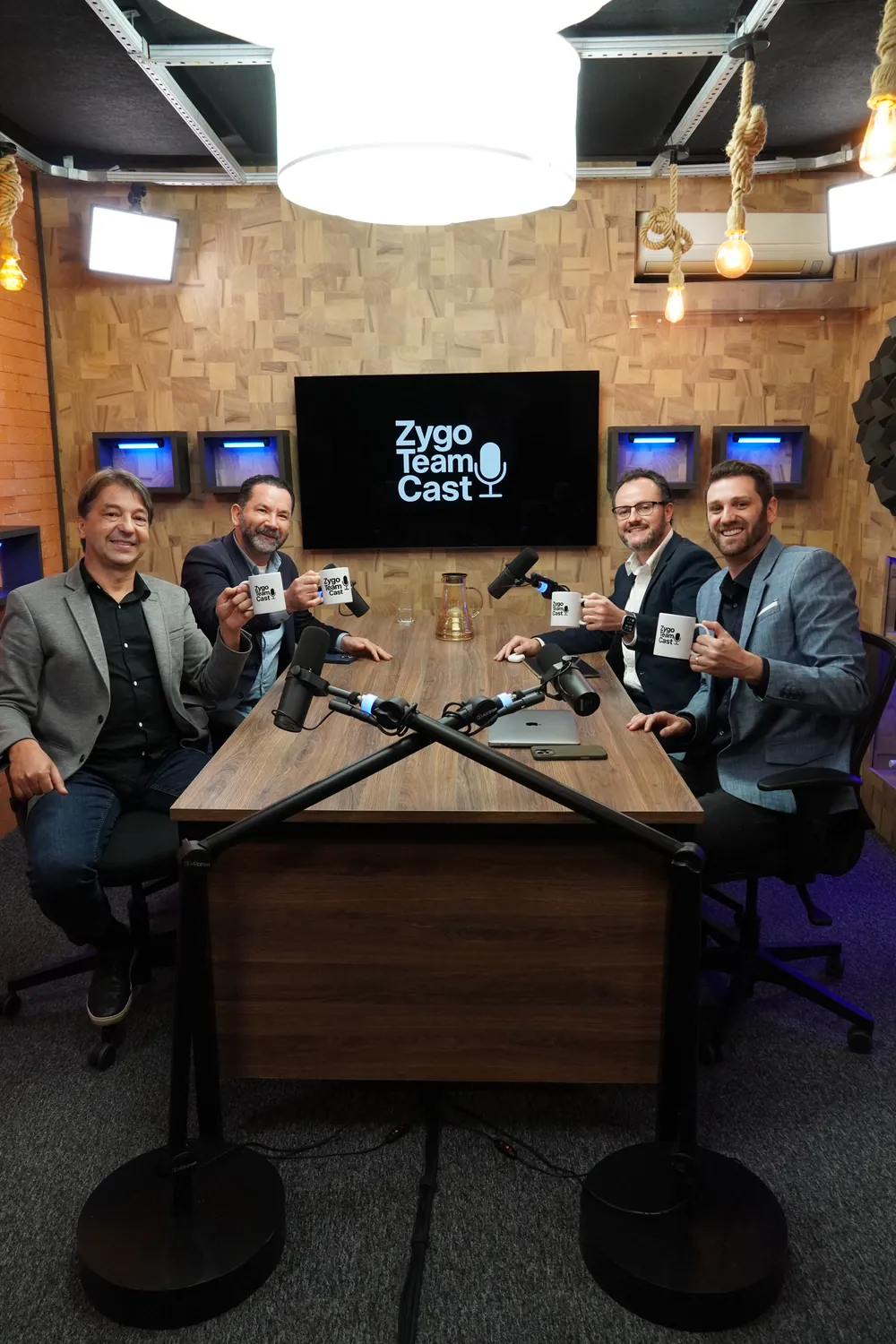
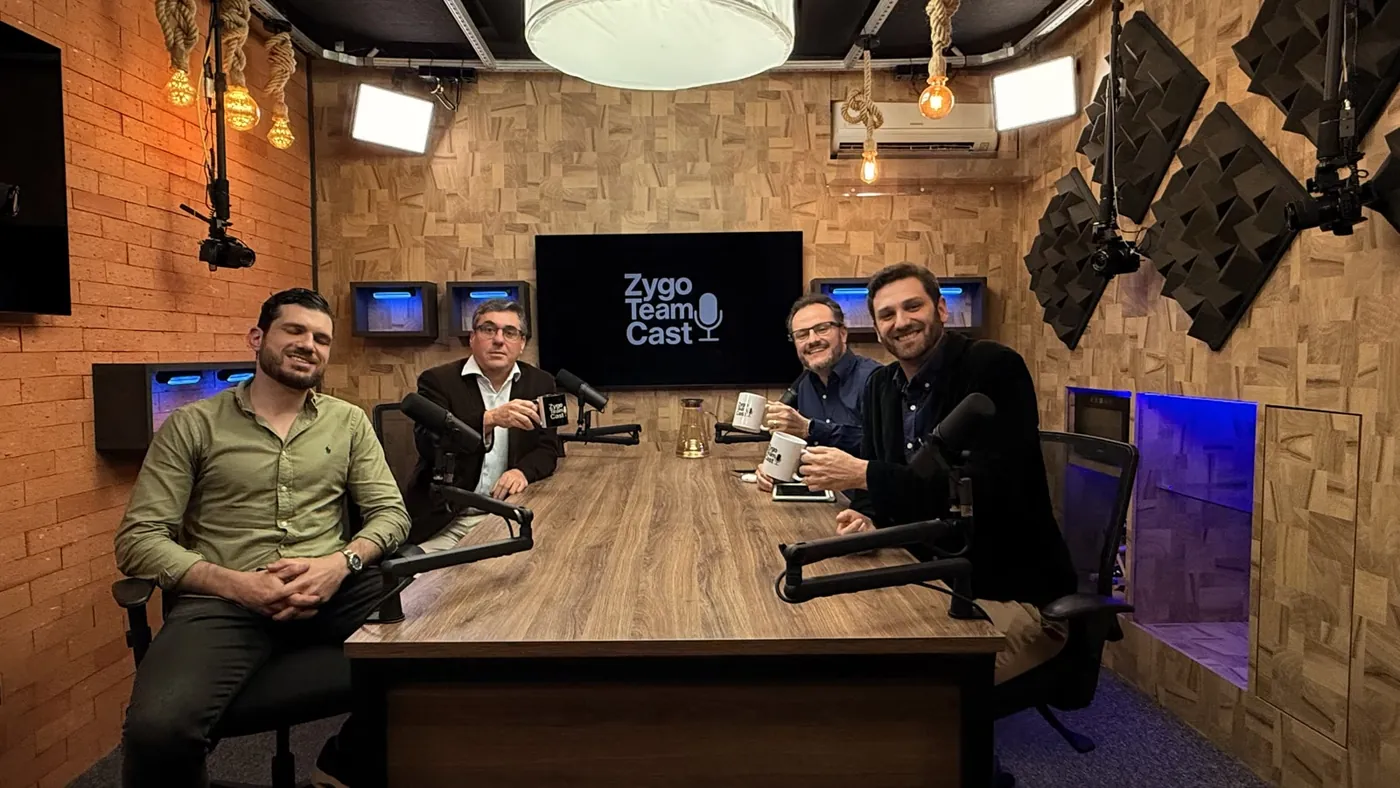
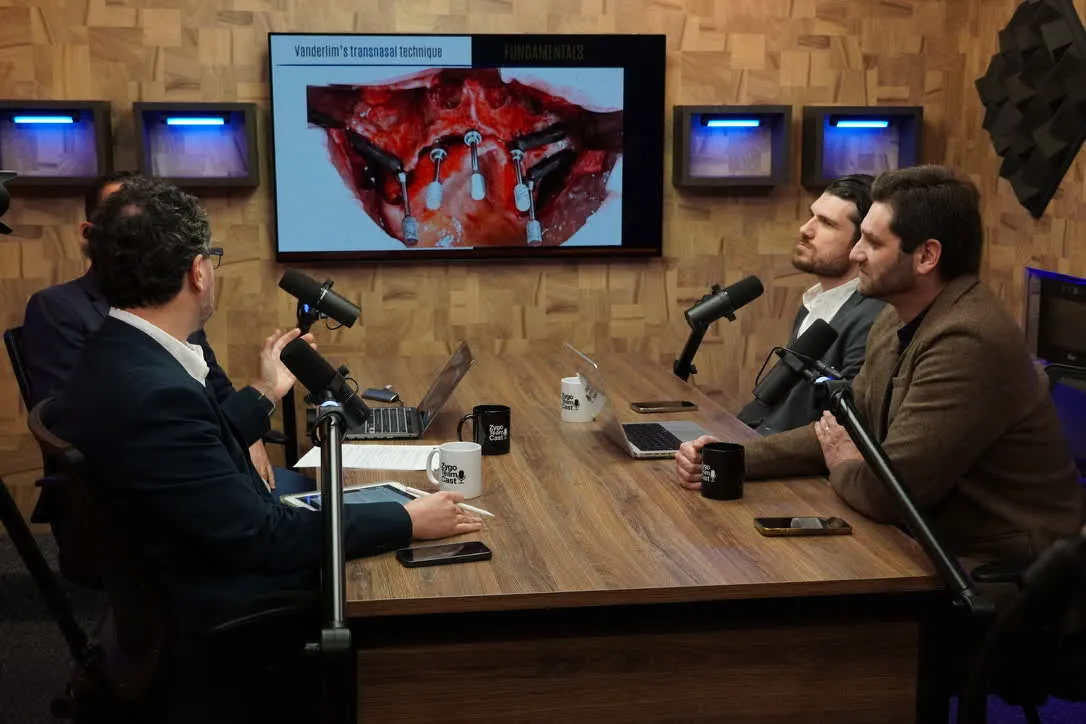
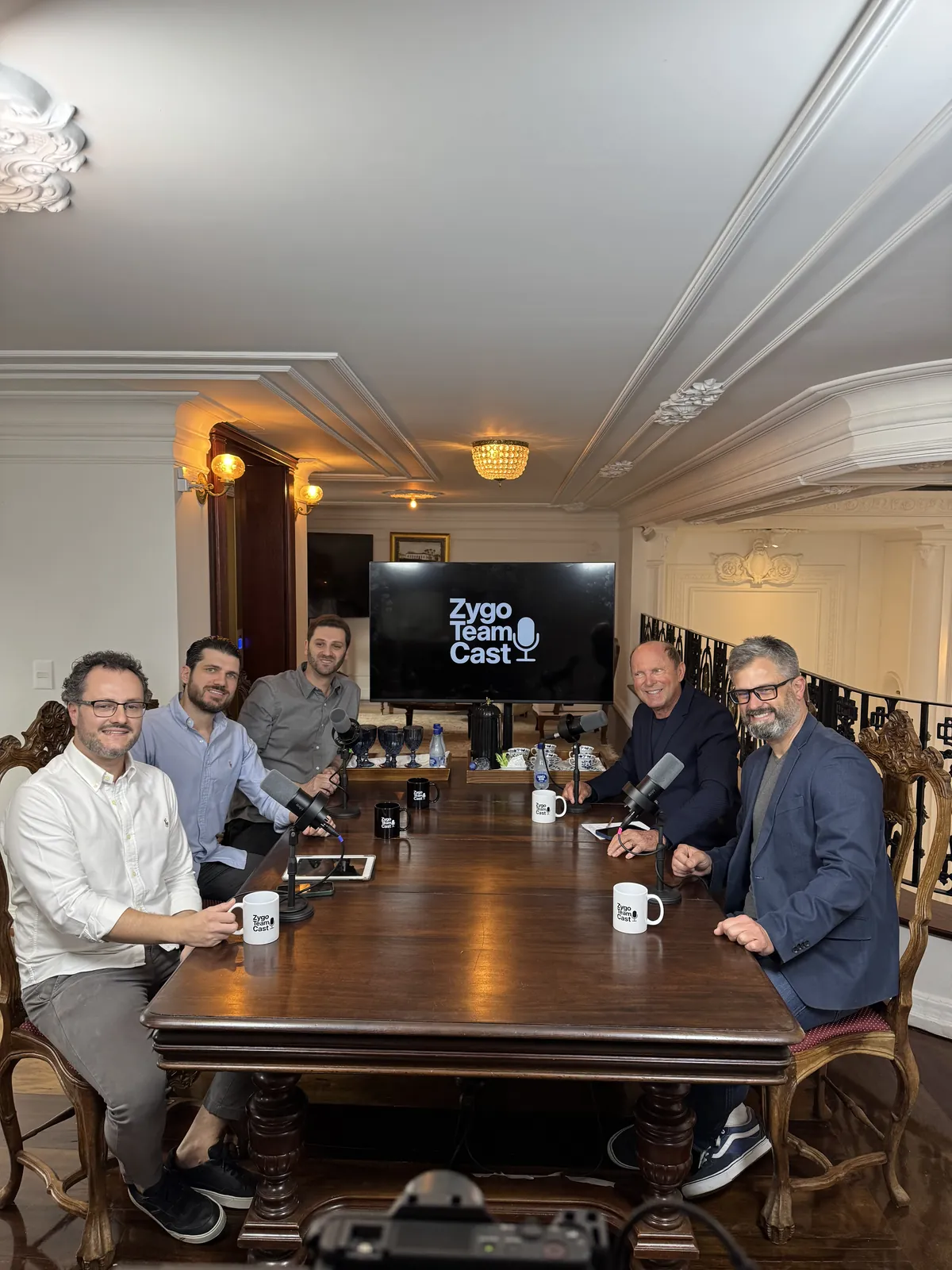
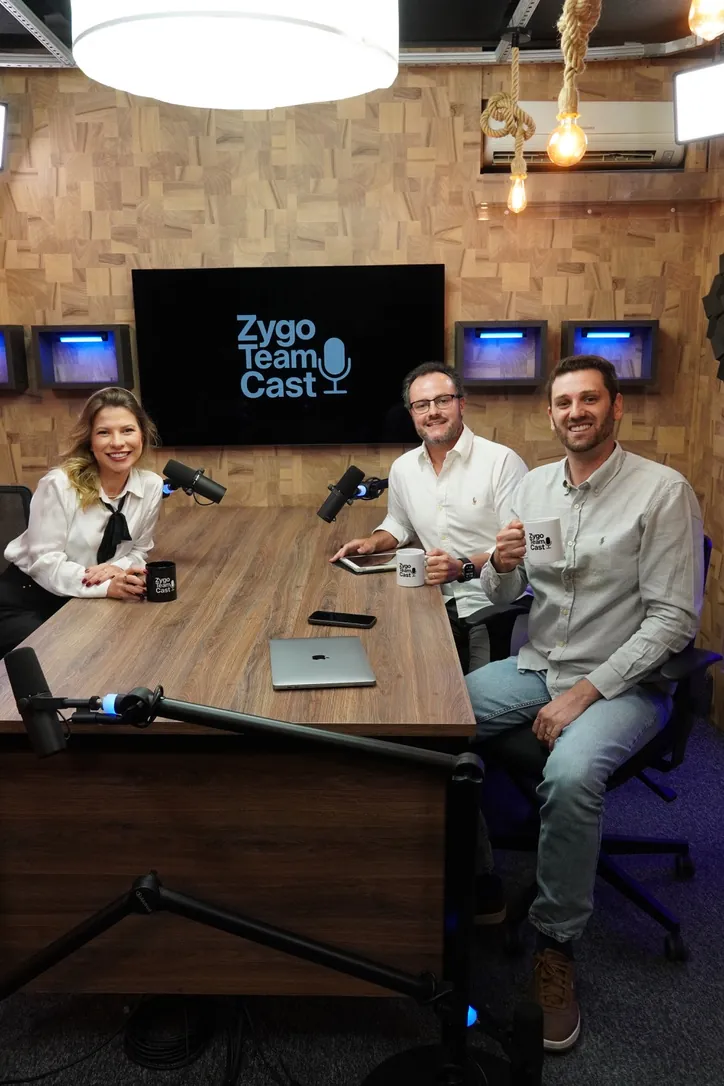
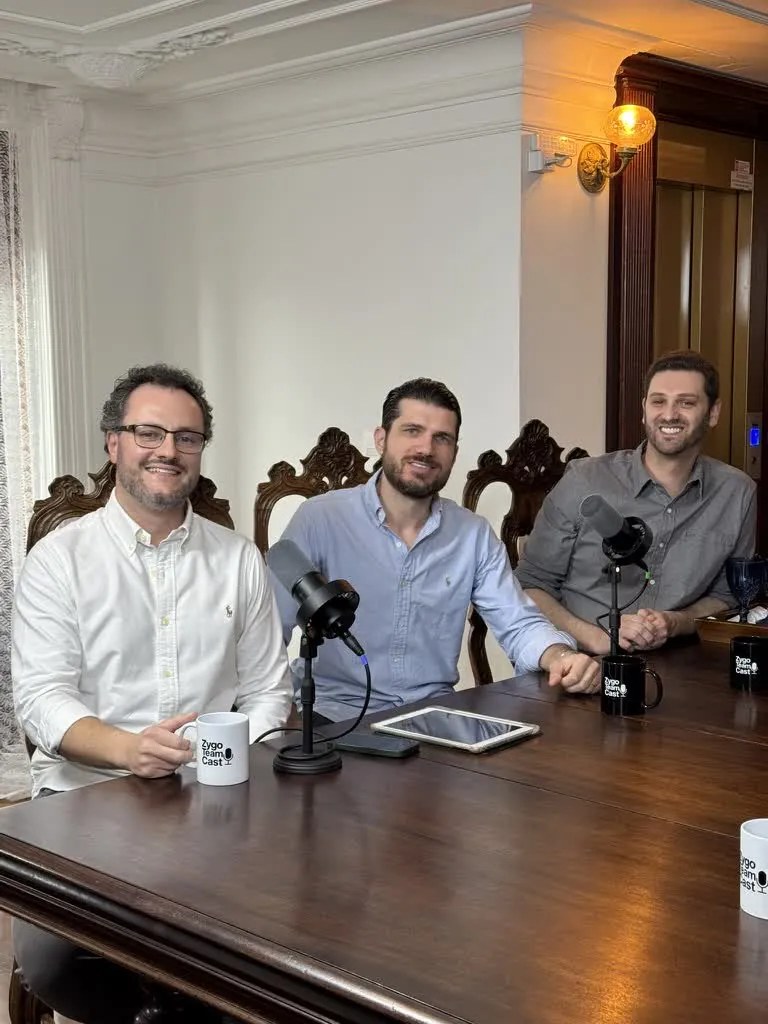
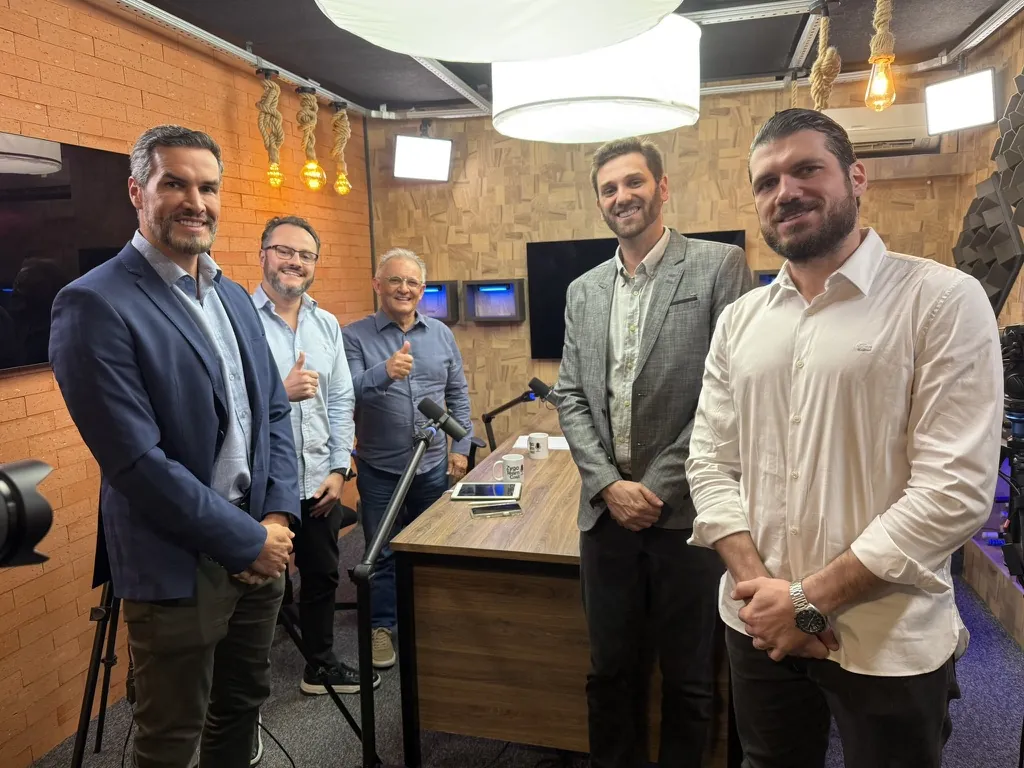
Behind the scenes in the studio.
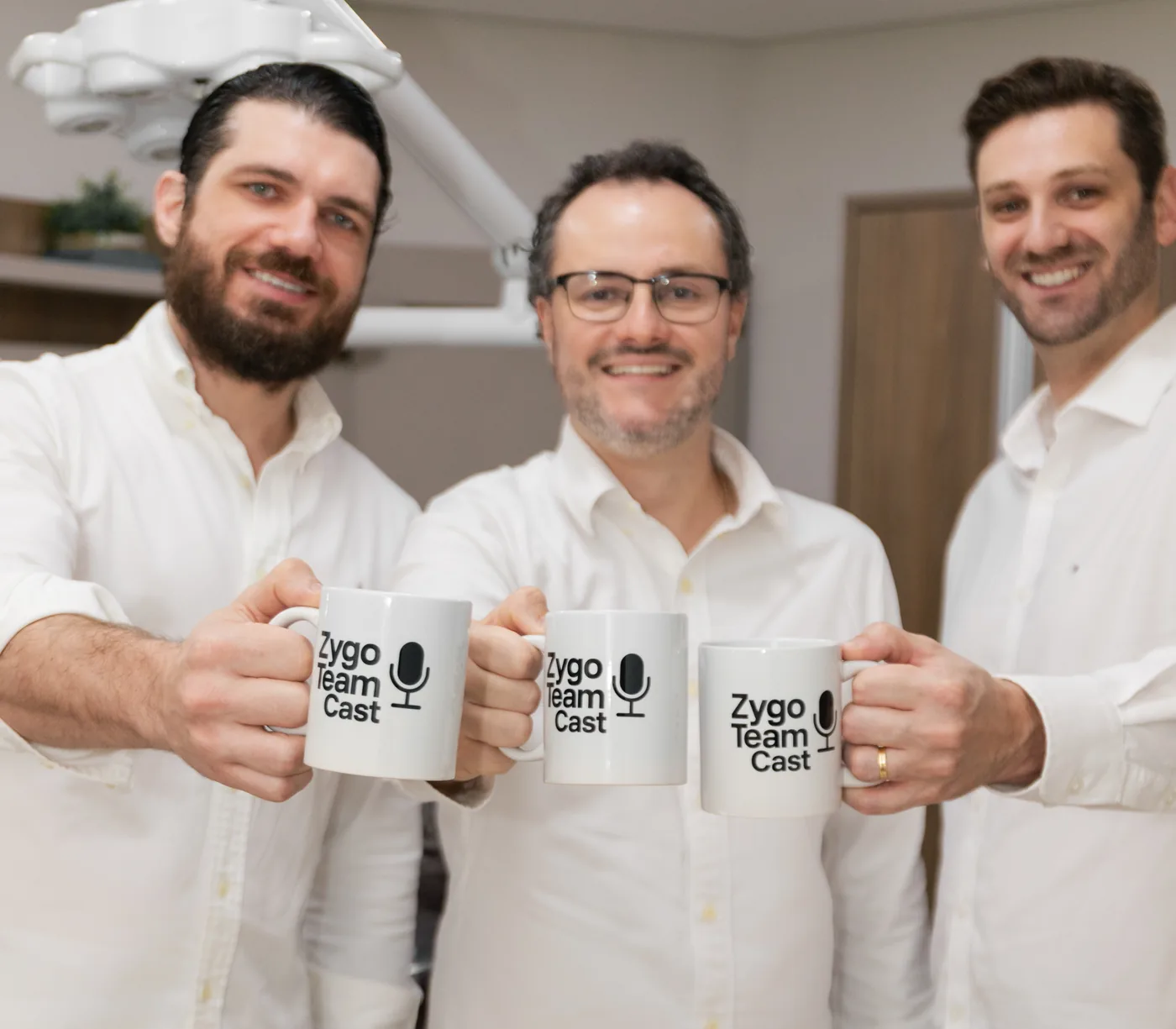
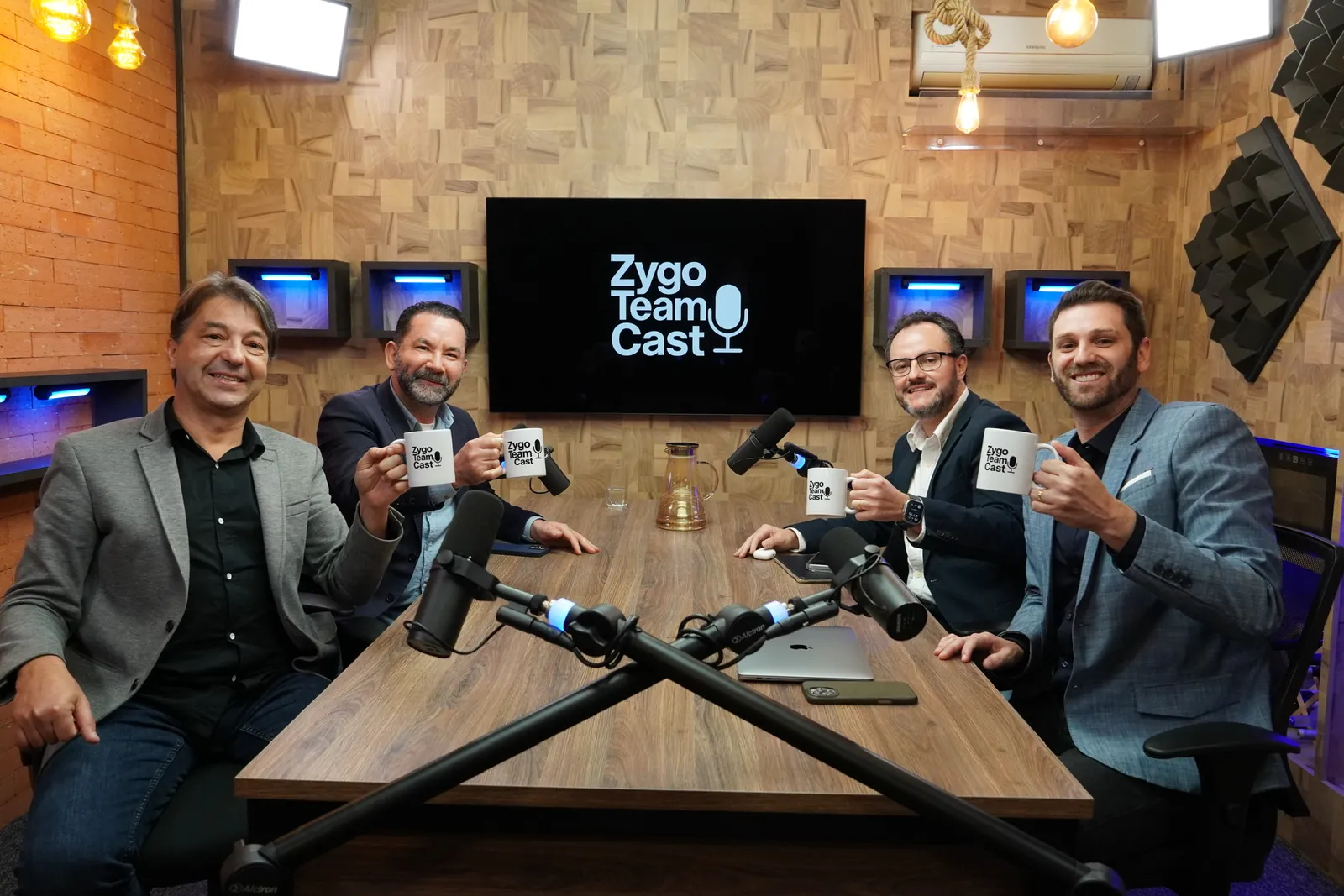
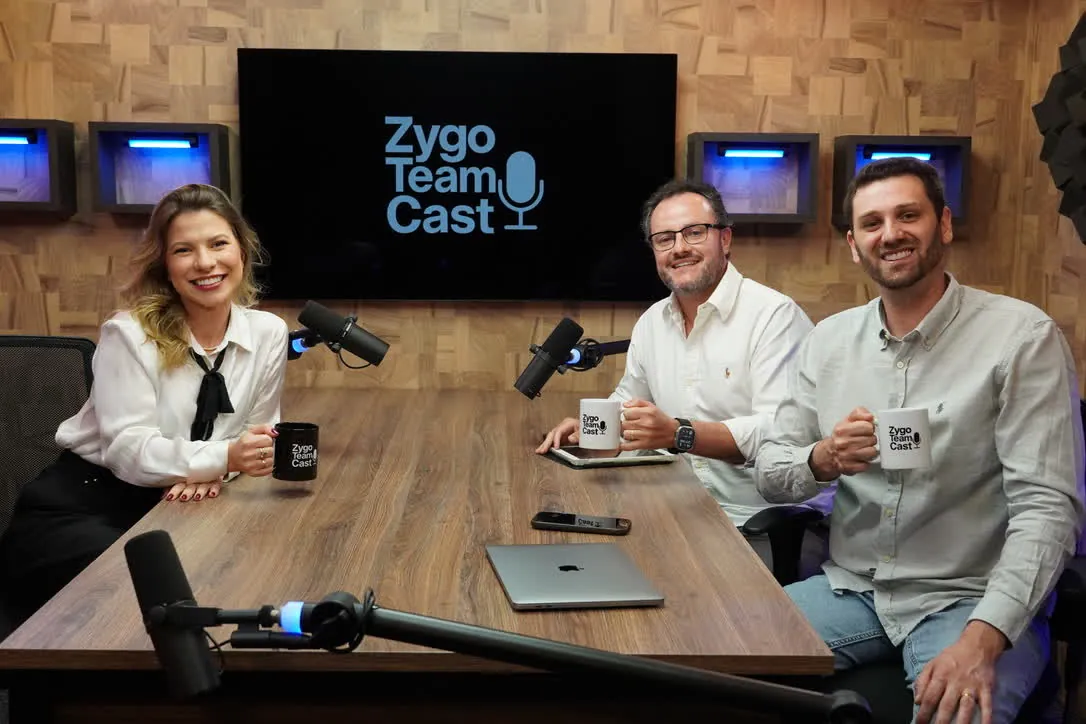
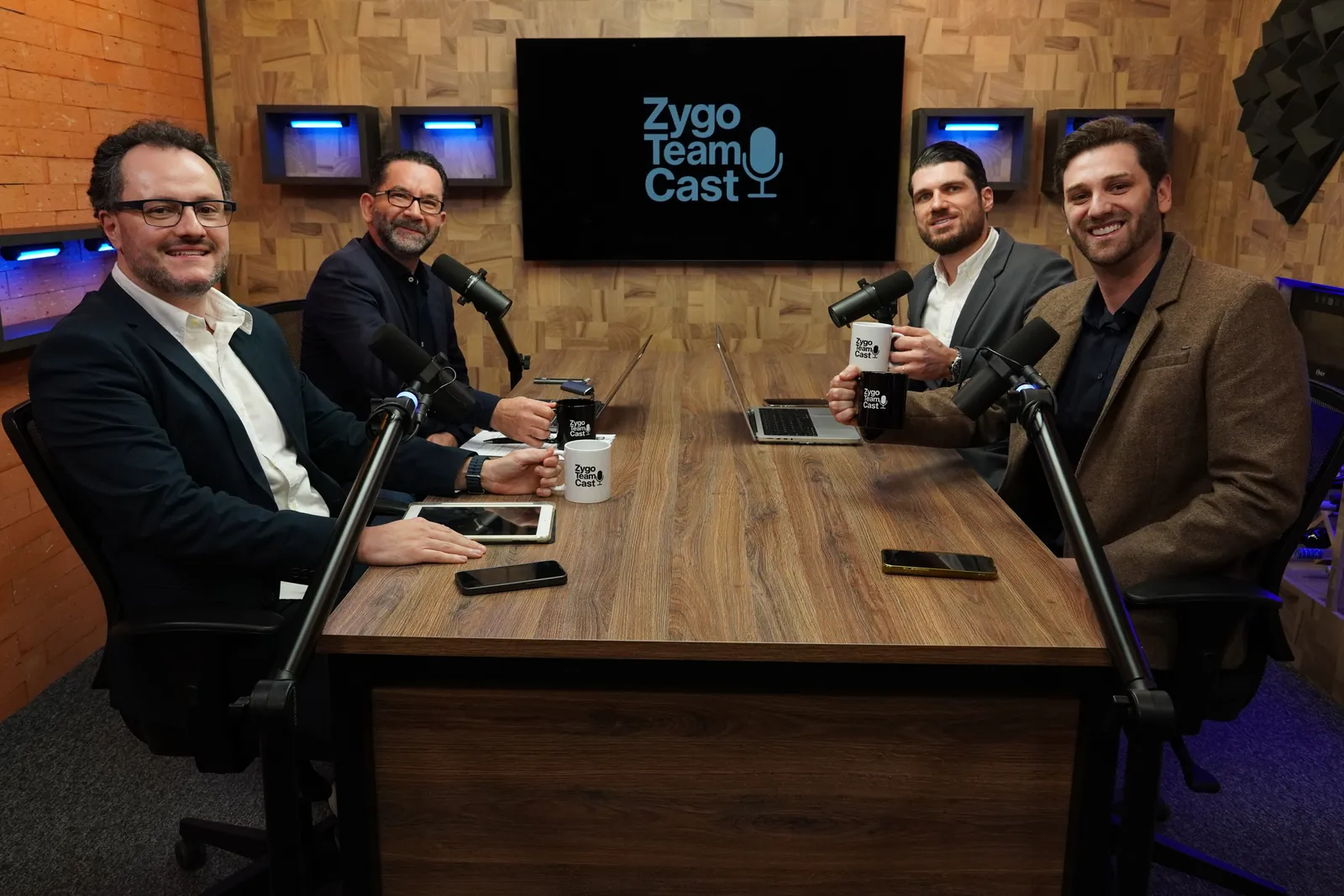
Moments from Zygo Team Cast recordings. Select a photo to enlarge it.
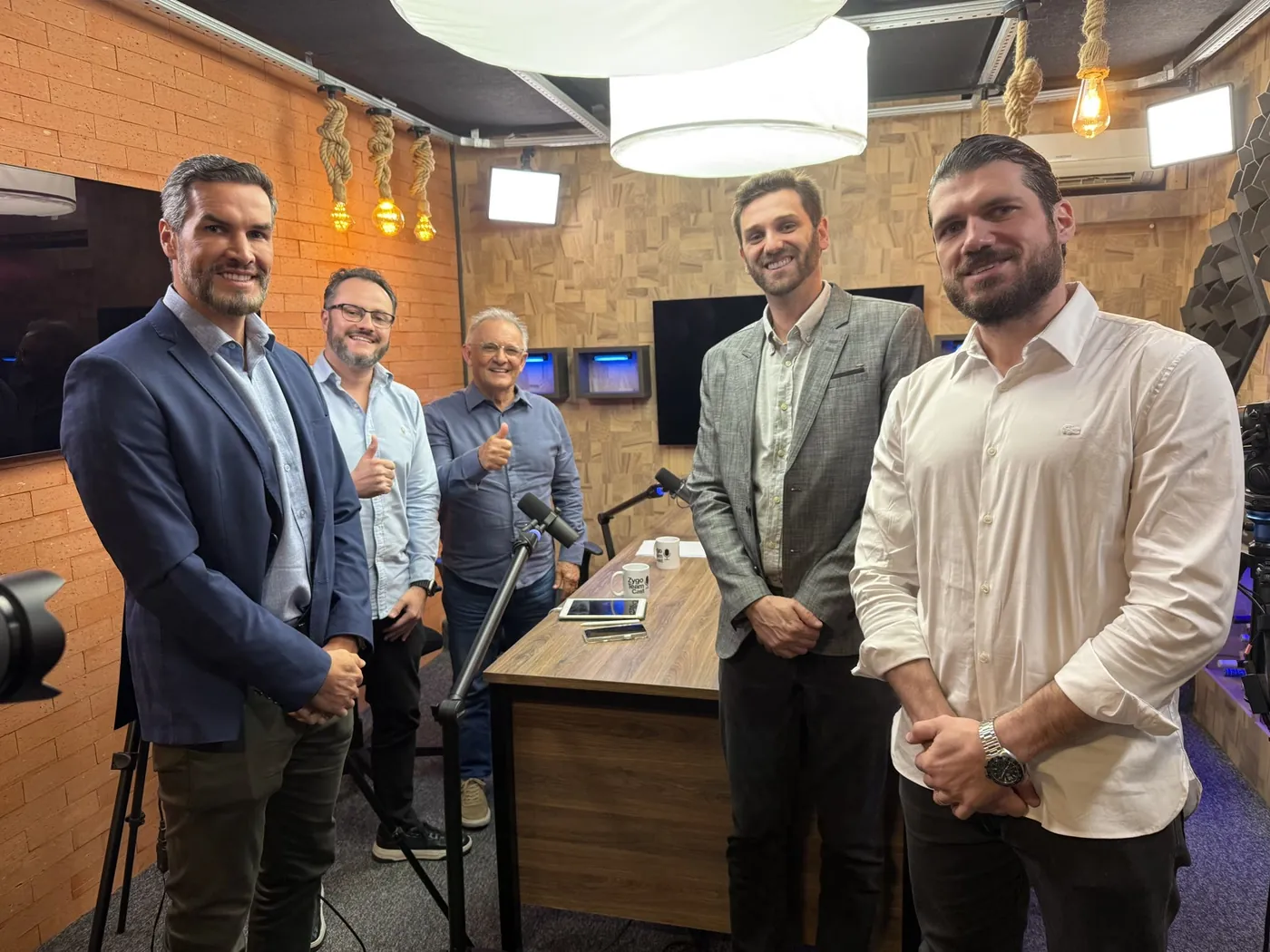
They have sat at our table.
Where to follow.
The Cast will record inside MARC Meeting 2026.
We take the studio to the event and interview the speakers between lectures.